
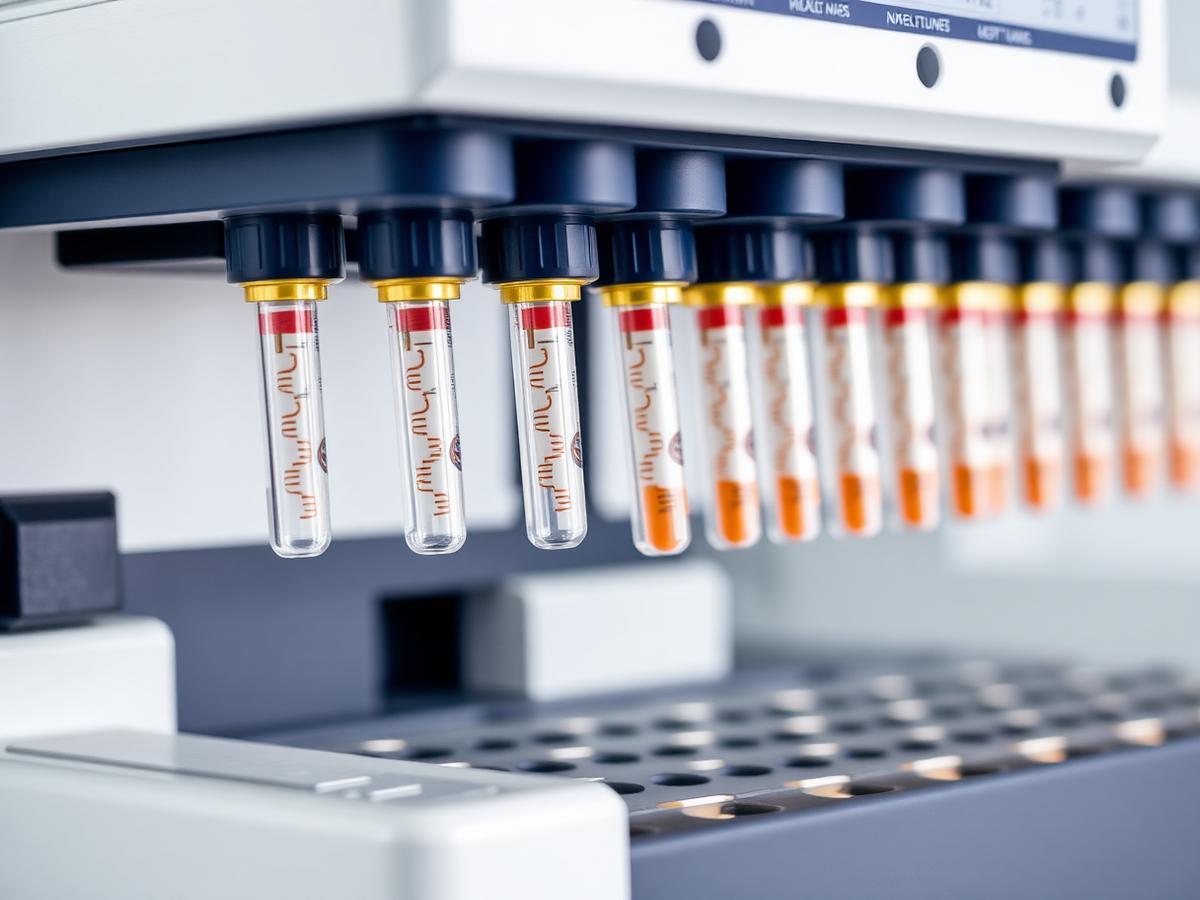
Genetic Tests
Fertility and Infertility
Understanding why, before deciding what next. Genetic investigation gives couples a clear explanation for difficulty conceiving or repeated pregnancy loss — and a treatment plan built on evidence rather than repetition.
Who it is for
Who should consider genetic testing for fertility and infertility?
Fertility genetics is valuable for individuals and couples at several distinct points in their journey.
Couples facing unexplained difficulty conceiving, where testing can reveal chromosomal changes or gene variants affecting fertility.
Couples preparing for IVF — genetic screening of both partners and preimplantation genetic diagnosis of embryos.
Women who have experienced repeated pregnancy loss, including chromosome analysis of the products of conception.
Men with abnormal semen parameters such as azoospermia or oligospermia — CFTR variants, Y-chromosome microdeletions and chromosomal anomalies.
Anyone with a family history of inherited disease in either partner — cystic fibrosis, thalassaemia, muscular dystrophy and others.
Prospective parents conceiving later in life (women over 35, men over 45), to assess the chance of chromosomal anomalies in eggs or sperm.
Donors and recipients of donated gametes, so two carriers of the same variant are never matched — using expanded carrier screening.
Why it matters
Why is genetic testing important in infertility and IVF?
Identifies genetic causes of infertility
Testing can reveal chromosomal anomalies or gene variants that disrupt ovulation, spermatogenesis or embryo implantation — the reason behind an otherwise unexplained result.
Guides the right treatment, avoids the unnecessary
A clear genetic cause allows the clinical team to build a personalised protocol rather than repeating interventions that were never going to work.
Prevents transmission of serious conditions
Knowing your reproductive risk supports informed decisions about the pregnancy and, in IVF, about which embryos to transfer.
Improves IVF success rates
Selecting chromosomally normal embryos lowers the risk of implantation failure and of miscarriage after transfer.
Allows embryos to be tested before transfer
Preimplantation genetic testing (PGT-A and PGT-M) examines embryos before they are placed in the uterus.
Our tests
What genetic tests do we offer?
From first investigation to embryo selection, each pathway is chosen according to your history and the treatment ahead.
Fertility panels for women and men
Targeted genetic panels investigating the causes of female and male infertility, selected according to your clinical picture.
- Female infertility panel — ovulation and ovarian reserve related genes
- Male infertility panel for azoospermia and oligospermia
- CFTR variant analysis, including congenital absence of the vas deferens
- Y-chromosome microdeletion testing (AZFa, AZFb, AZFc)
Couple karyotyping and chromosomal analysis
Qualitative or quantitative changes in chromosome structure account for more than half of all spontaneous miscarriages.
- Constitutional karyotype for both partners
- Detects balanced translocations, inversions and numerical anomalies
- Chromosome analysis of the products of conception after pregnancy loss
- Array CGH where a submicroscopic imbalance is suspected
Immunological incompatibility and thrombophilia
Immune and clotting factors are a recognised cause of recurrent miscarriage and obstetric complications.
- Investigation of immunological incompatibility between partners
- Inherited thrombophilia panel
- Relevant to recurrent implantation failure
- Results interpreted alongside your obstetric history
Carrier testing for inherited conditions
Carrier screening tells you and your partner whether you carry variants in the same gene, defining your reproductive genetic risk.
- Expanded carrier screening across hundreds of genes
- Recommended before conception or before starting IVF
- Essential for gamete donors and recipients
- Joint counselling for both partners
Preimplantation genetic testing (PGT-A / PGT-M)
Embryos created through IVF are biopsied and analysed before transfer, so only suitable embryos are selected.
- PGT-A — screening for chromosomal aneuploidy
- PGT-M — testing for a specific known inherited condition
- Reduces implantation failure and miscarriage risk
- Coordinated directly with your fertility clinic
Good to know: Chromosomal changes are responsible for more than 50% of spontaneous miscarriages, which is why couple karyotyping is one of the first investigations we recommend after recurrent pregnancy loss.
Timing
When is genetic testing recommended?
Testing is most useful before decisions are made — ahead of treatment, or as soon as a pattern emerges.
Before starting fertility treatment
- Genetic work-up for both partners before an IVF cycle
- Carrier screening to define reproductive risk in advance
After two or more pregnancy losses
- Couple karyotype
- Chromosome analysis of the products of conception
- Thrombophilia and immunological assessment
When infertility has no identified cause
- Female and male infertility panels
- CFTR analysis and Y-chromosome microdeletion testing where semen parameters are abnormal
Family history, or before conception
- Known inherited disease in either family
- Preconception testing to exclude hereditary risk
- Later parental age — women over 35, men over 45
Why us
Why choose Hilmi Lab?
Genetic consultation
In-person consultations in our medical genetics clinics, before and after testing.
Expert interpretation
Every result is reviewed and reported by experienced consultant geneticists.
Wide collection network
Sample collection across our centres and partner sites in London, Bucharest and Munich.
Complete confidentiality
Full GDPR compliance, with results delivered securely to your private portal.
FAQ
Frequently asked questions
Should both partners be tested?
Yes. Infertility and recurrent pregnancy loss can originate with either partner, and carrier screening only defines risk properly when both results are read together.
What can genetic testing explain in unexplained infertility?
It can uncover balanced chromosomal rearrangements, Y-chromosome microdeletions, CFTR variants and other changes that affect ovulation, sperm production or implantation, and which standard fertility investigations do not detect.
Why does recurrent miscarriage warrant chromosome testing?
More than half of spontaneous miscarriages involve a chromosomal abnormality. Karyotyping both partners and, where possible, the products of conception often identifies the reason and changes what is recommended next.
What is the difference between PGT-A and PGT-M?
PGT-A screens embryos for the wrong number of chromosomes. PGT-M tests embryos for one specific inherited condition already known to run in the family.
Does male factor infertility need separate tests?
Azoospermia and severe oligospermia have specific genetic causes, so testing typically includes karyotype, CFTR variant analysis and Y-chromosome microdeletion screening.
Is genetic counselling included?
Yes. Counselling before and after testing is part of every fertility genetics pathway at Hilmi Lab, in English, Romanian and German.
Next step
Book your genetic consultation
Speak with a clinical geneticist about the right investigations for you and your partner — before treatment begins.